MAML.
Multi-Scale Advanced Manufacturing Laboratory · Oregon State University
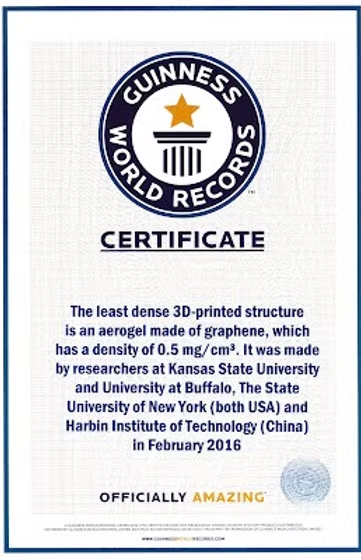
The Multi-Scale Advanced Manufacturing Laboratory (MAML) advances the science and technology of manufacturing through research spanning additive manufacturing of aerogels, ceramics, metals, and composites; laser processing; and functional nanomaterials. Our work is multidisciplinary, spans from fundamentals through applications — including a Guinness World Record for the least dense 3D-printed structure (0.5 mg/cm³) — and engages collaborators including NIST, national laboratories (Argonne, PNNL, Oak Ridge, INL, NETL, and LLNL), national synchrotron facilities, and partner universities.
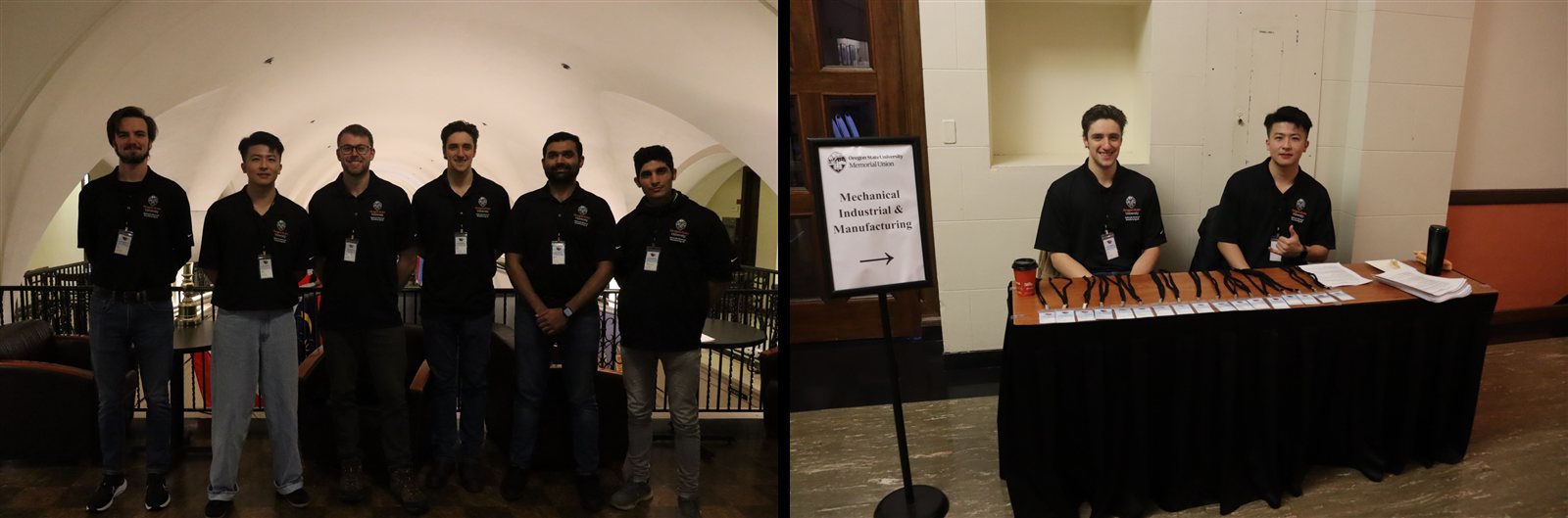
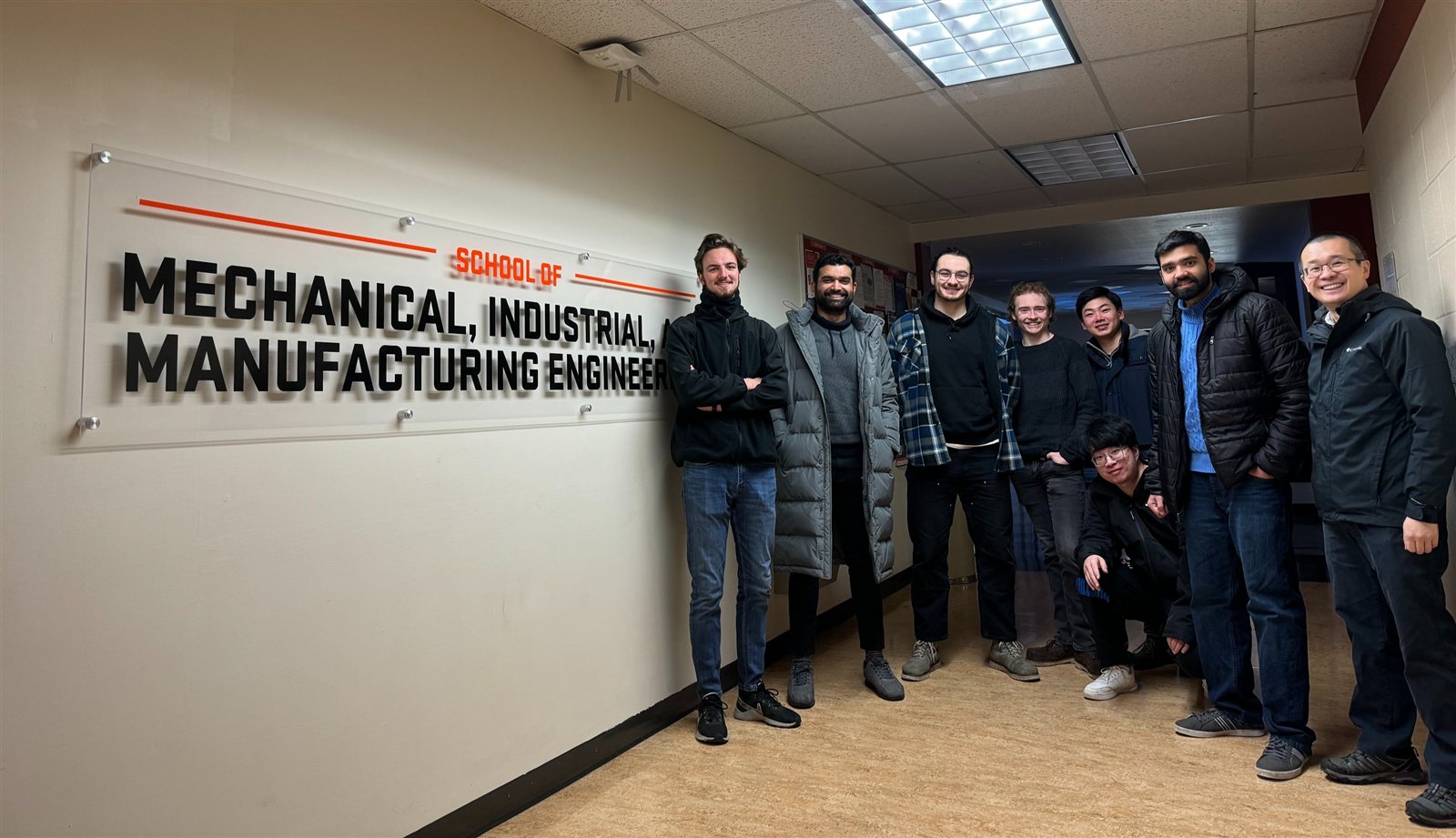
We are based in the School of Mechanical, Industrial, and Manufacturing Engineering at Oregon State University.

Associate Professor, School of Mechanical, Industrial, and Manufacturing Engineering
Fellow, American Society of Mechanical Engineers (ASME)
Director, Pacific Northwest Institute for Advanced Manufacturing (PACNW-iAM)
Ph.D., Purdue University
M.S., University of Nebraska–Lincoln
M.S., Huazhong University of Science and Technology
B.S., Harbin Institute of Technology
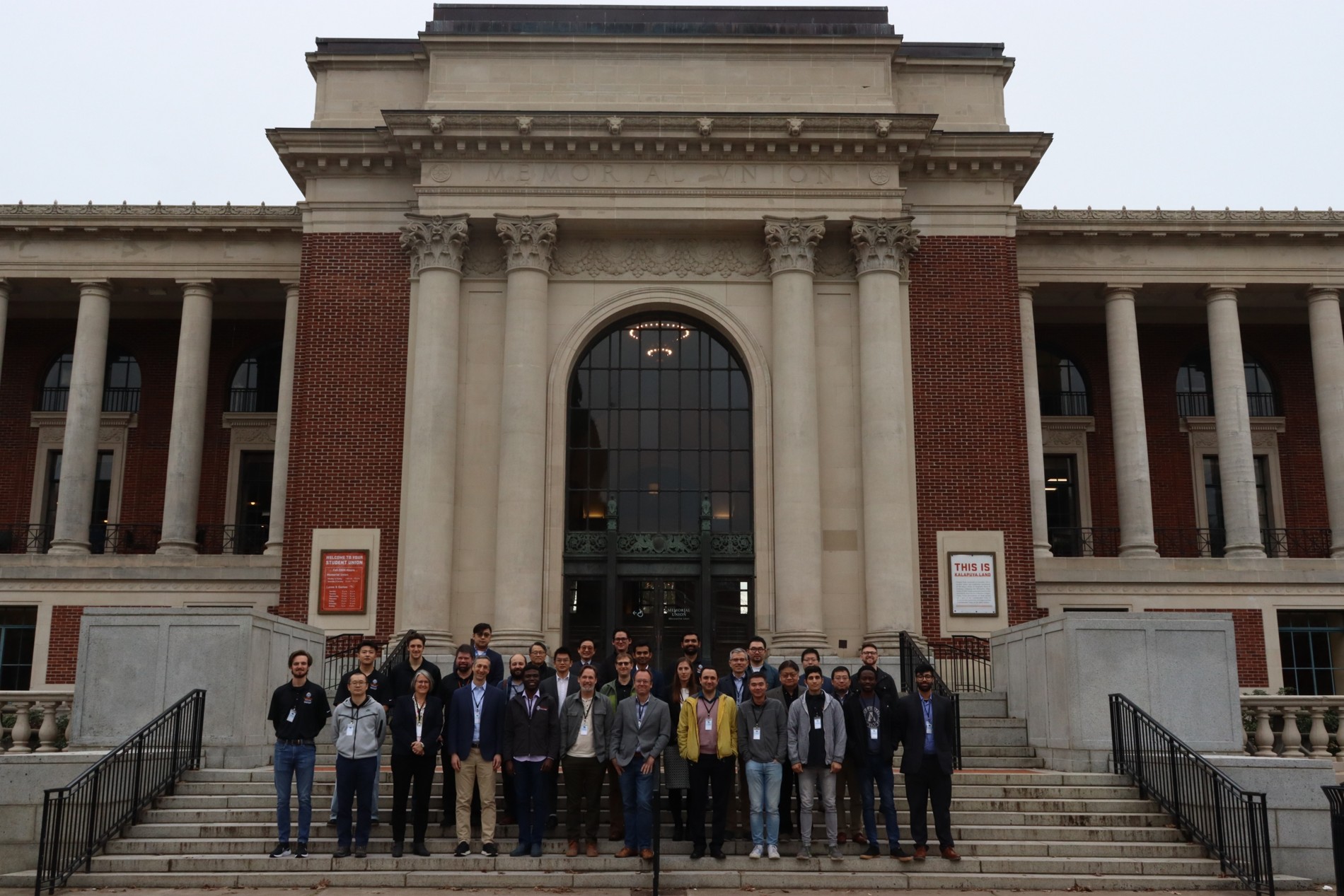
Dr. Dong Lin is an Associate Professor in the School of Mechanical, Industrial and Manufacturing Engineering at Oregon State University. He received his Ph.D. in Industrial Engineering from Purdue University in 2013 and subsequently served as a Research Associate at Purdue University. In addition to his academic role, he is the Founder and CEO of 3D INFI Inc. His research focuses on additive manufacturing, including laser powder bed fusion, metal additive manufacturing, 3D printing of aerogels, bio-inspired manufacturing of metal–graphene composites, continuous fiber composites, and advanced multifunctional materials. He has authored nearly 90 peer-reviewed journal articles and holds multiple patents in additive manufacturing technologies. His work has appeared in leading journals such as Advanced Materials, Nature Communications, ACS Nano, Advanced Functional Materials, Nano Energy, Small, and Acta Materialia. He also launched the Advanced Manufacturing Workshop in the Western United States at Oregon State University to help strengthen collaboration across the region's advanced manufacturing research community.
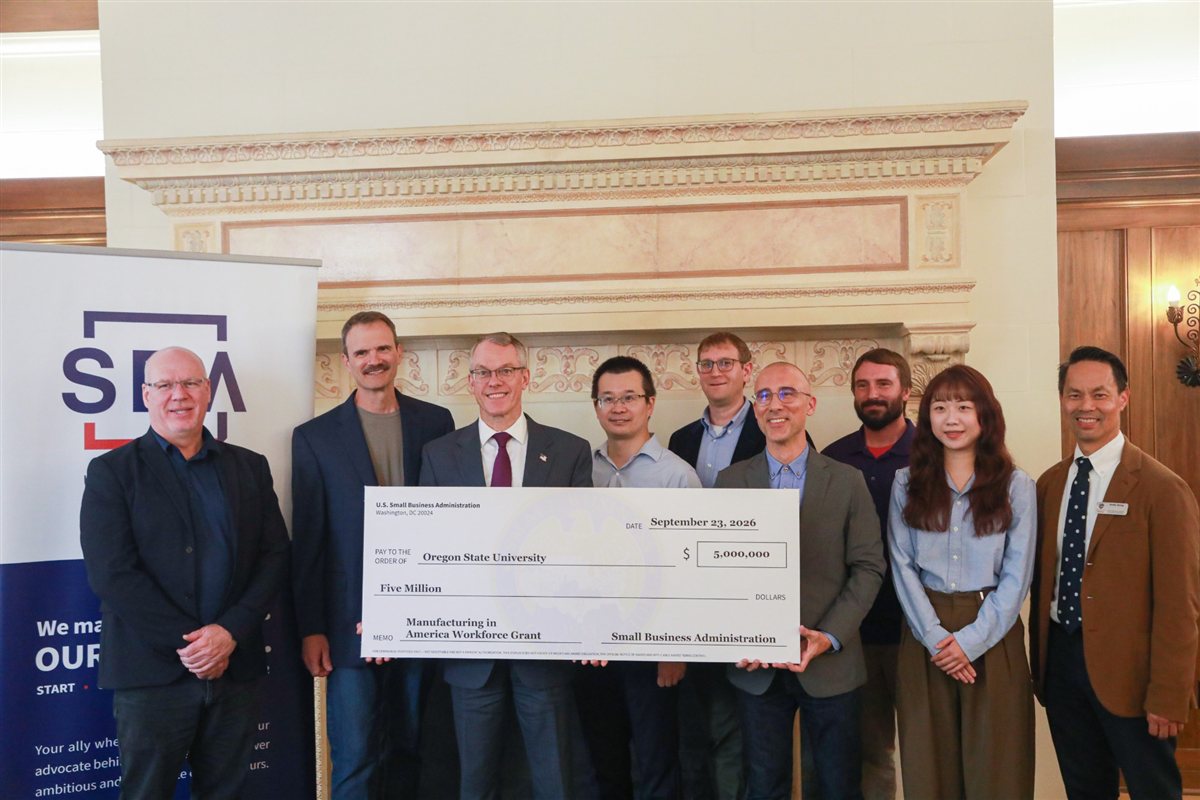
Among his notable accomplishments, Dr. Lin led collaborative research that achieved a Guinness World Record for the least dense 3D-printed structure, with a density of 0.5 mg/cm³. His research program has received more than $21.5 million in total funded support, including major awards from NSF, the U.S. Small Business Administration, AFRL, NASA, USDA, Army, national laboratories, and industry. He has received numerous honors, including election as an ASME Fellow, the L.L. Stewart Faculty Fellowship, the NSF CAREER Award, the Chao and Trigger Young Manufacturing Engineer Award, and the Outstanding Associate Editor Award from the Journal of Manufacturing Processes. He was also selected to participate in the National Academy of Engineering EU-U.S. Frontiers of Engineering Symposium. He currently serves as an Associate Editor for both the Journal of Manufacturing Processes and the Journal of Manufacturing Science and Engineering. He is the Founding Director of the Pacific Northwest Institute for Advanced Manufacturing (PACNW-iAM).
Research in MAML connects nanomaterial synthesis, laser–matter interaction, and additive manufacturing process design — from the nanoscale to the machine scale — across eight areas.
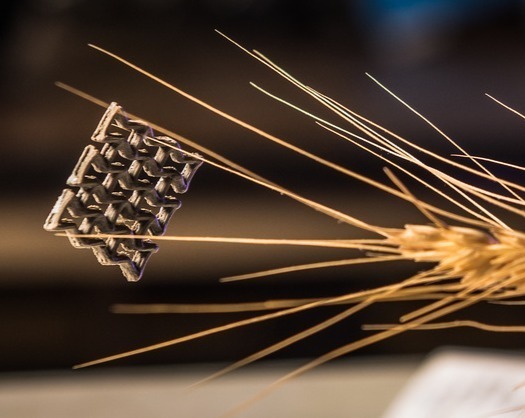
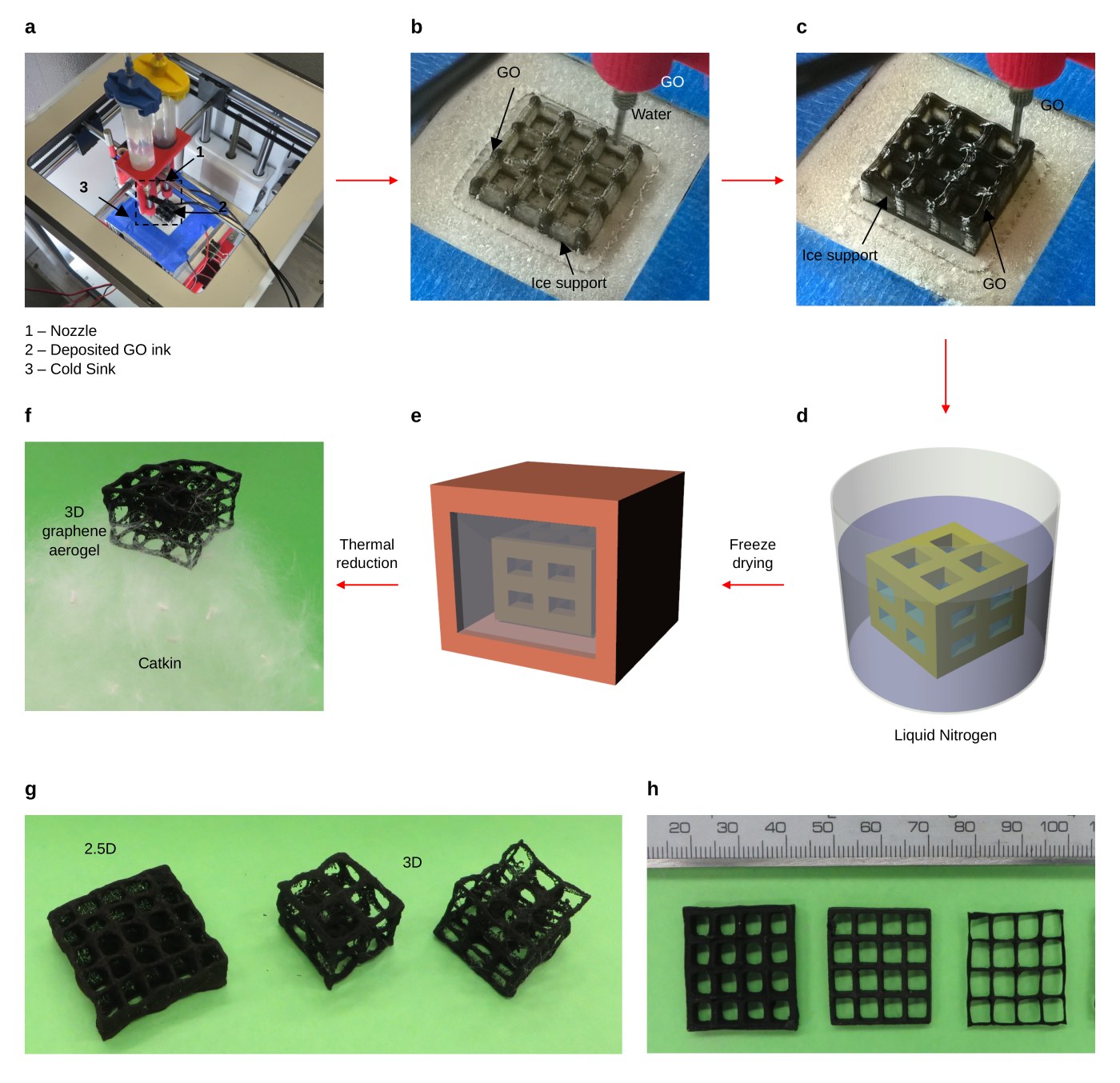
We invented a freeze-assembly printing route to pure, continuous, boundary-free, and truly three-dimensional aerogels — including overhang structures — from graphene, MXenes, nanocellulose, and silver nanowires. Printed graphene aerogels combine ultra-low density (a Guinness World Record 0.5 mg/cm³), high electrical conductivity (~15.4 S/m), and high compressibility, with in-situ synchrotron X-ray imaging revealing the printing process itself.
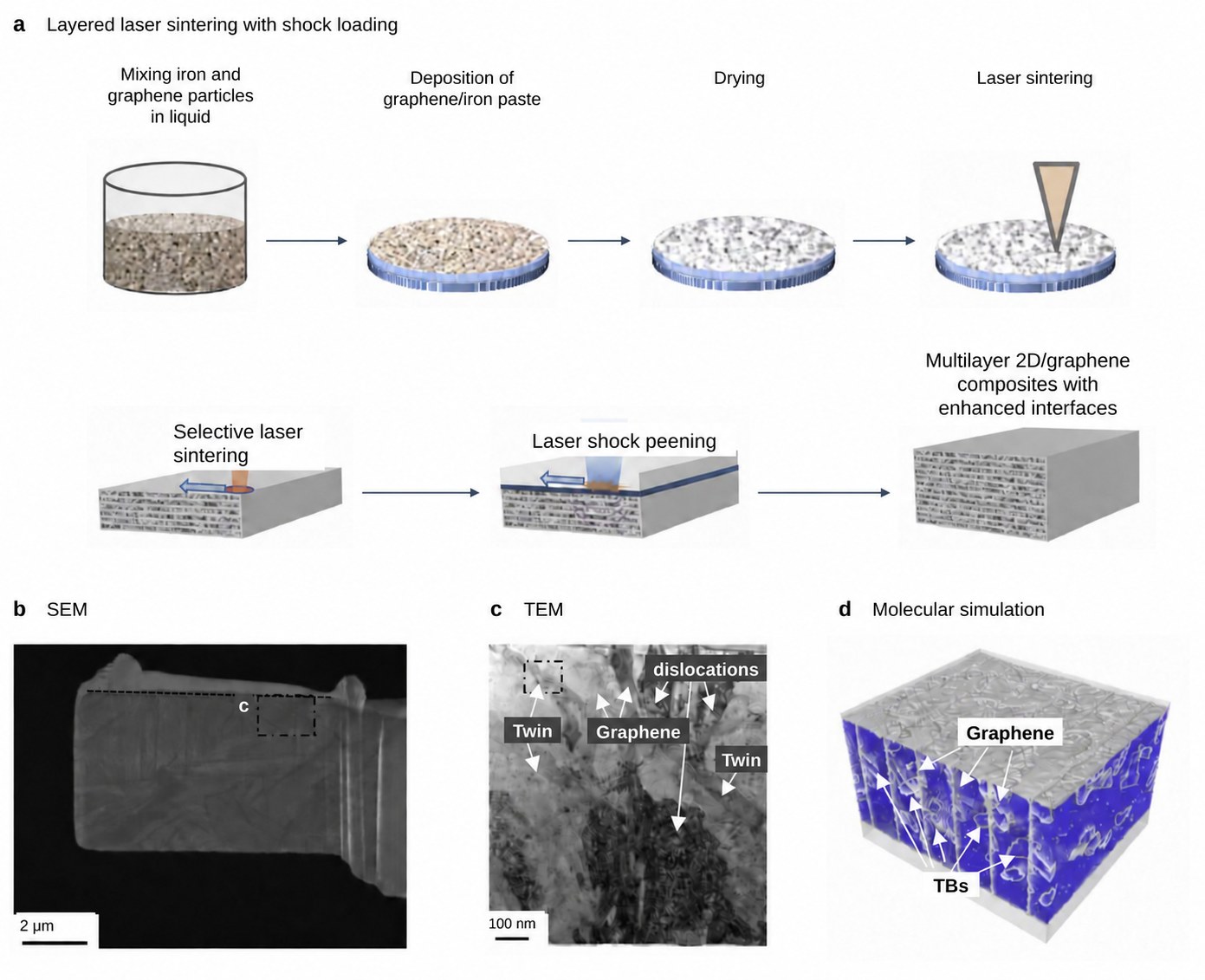
Graphene can be vertically aligned during additive manufacturing (Step 1: laser sintering of graphene oxide/iron nanocomposites). A shock wave introduced by laser shock peening (Step 2) then interacts with the aligned graphene, generating stress concentration and nucleating high densities of nanotwins between graphene sheets under low shock pressure — yielding metal–graphene composites with ultra-stable mechanical properties.
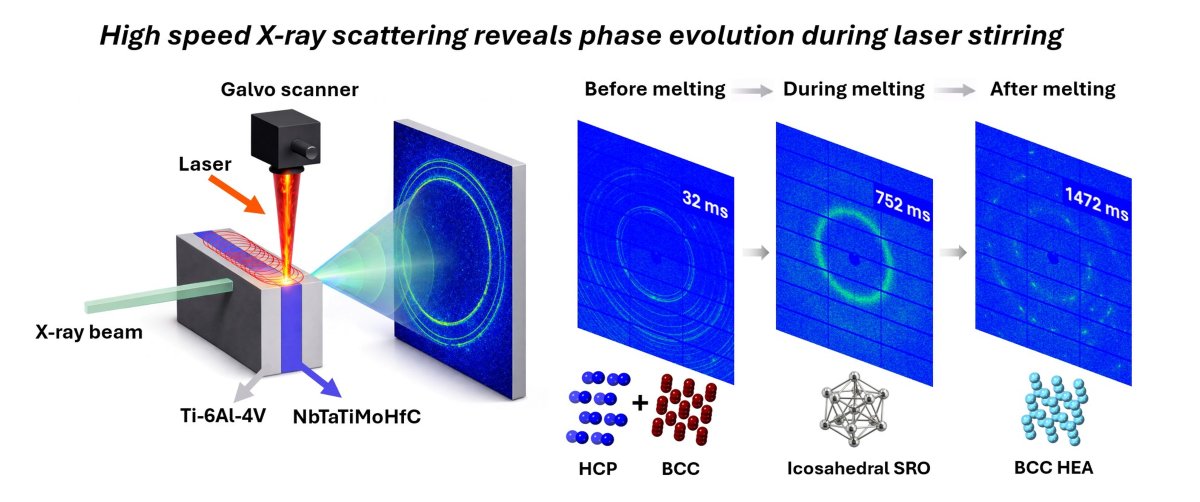
Investigating laser scan strategies, beam shaping, and in-situ thermal monitoring to control microstructure and defect formation in LPBF and L-DED. Active projects include defect-free LPBF (Oregon Manufacturing Innovation Center), laser stirring with elliptical scanning for on-demand alloying (in collaboration with NIST), and lattice-structured materials (Idaho National Laboratory). Key alloys: Inconel 718, GRCop-84, IN625, 17-4 SS, and copper alloys.
Develop functionally graded and compositionally tailored alloys for sustainment and new aerospace applications.
Direct ink writing and post-processing of SiC, ZrC, Si₃N₄, and SiC–SiC CMCs for hypersonic vehicles, aircraft engine noise reduction, nuclear thermal propulsion, and space applications. Sponsors include NASA, NETL, Army SBIR, and GOMACTech partners.
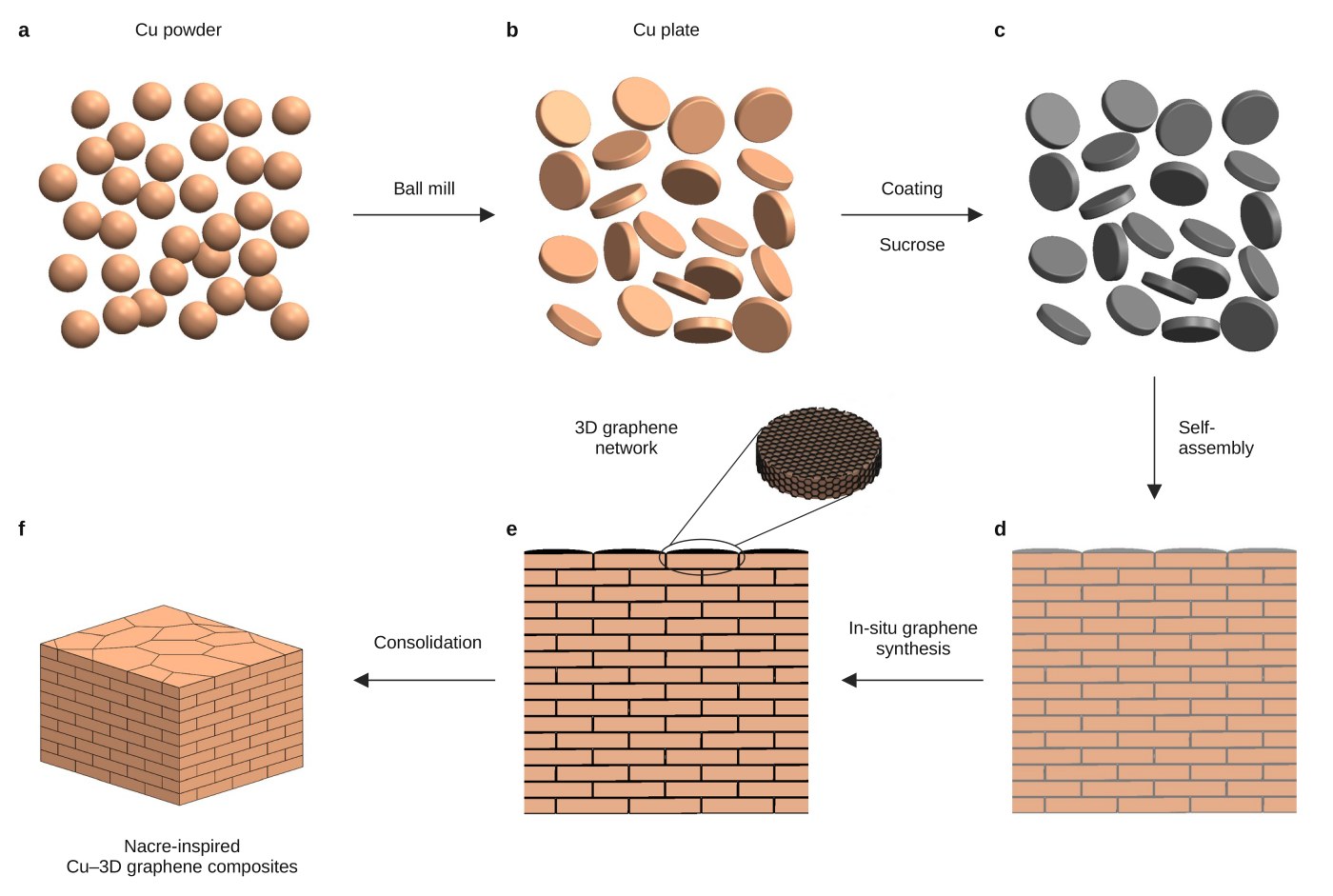
NSF CAREER project (2020–2025) developing high-strength, high-toughness metal–graphene composites inspired by hierarchical natural structures.
Laser-assisted and ultrasonic-assisted laminated object manufacturing, graphene-enhanced interlayer bonding, and mechanical/ultrasonic finishing of CFRP. The Composite Structures review (Parandoush & Lin, 2017) is the #1 most-downloaded article in that journal since 2020, and U.S. Patent No. 11,254,048 (2022) is licensed to HydroGraph.
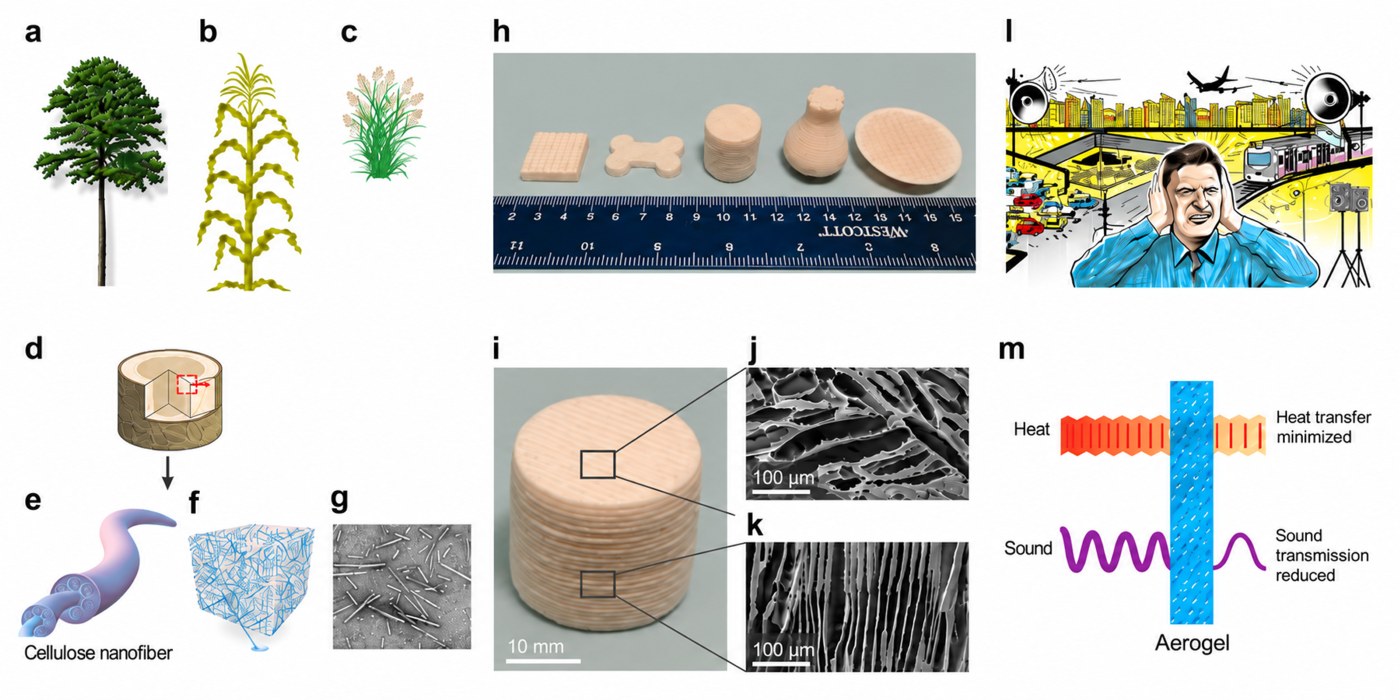
Decentralized pelletization of agricultural and forestry residues for bioenergy (USDA-NIFA Sun Grant), lignin-based wearable triboelectric nanogenerators for health monitoring (USDA-NIFA), and bio-inspired nanocellulose aerogel acoustic materials.
We gratefully acknowledge the sponsors of our research:

















Multi-Scale Advanced Manufacturing Laboratory
School of Mechanical, Industrial, and Manufacturing Engineering
218 Dearborn Hall
Oregon State University
Corvallis, OR 97331